
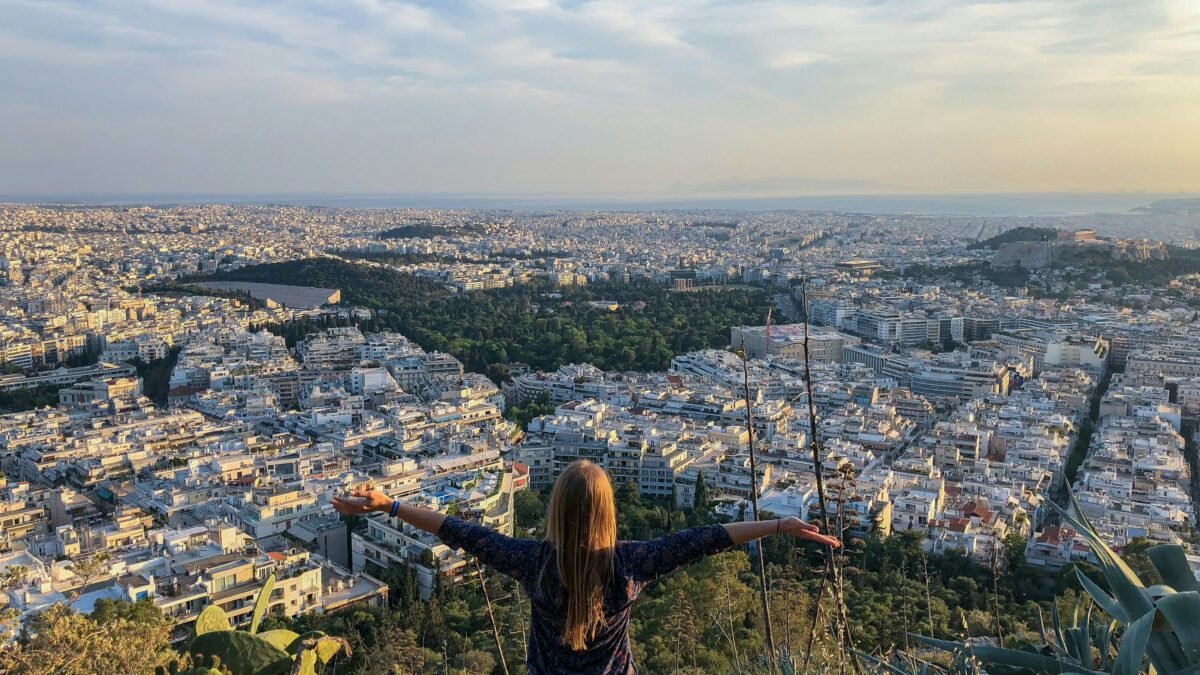
Traveling alone can look easy from the outside. You see photos of someone hiking through a new city, eating at a local café, or watching a sunset with no one else around. What you do not see are the questions that come before the trip.
Is it actually safe to travel alone? What happens if I get lost? Where should I stay? Will I feel lonely? What if something goes wrong and there is nobody with me?
These are real concerns, especially when you are planning your first solo trip.
I have found that the hardest part of solo travel is often not the destination itself. It is making dozens of small decisions on your own. You have to choose the right area to stay, figure out transportation, manage your money, plan your days, and know what to do if your plans change.
That is why good solo travel is less about being fearless and more about being prepared.
The right destination can make your first trip much easier. A walkable city, simple transportation, reliable accommodation, and easy access to activities can remove a lot of unnecessary stress. You can also start with a short trip before taking on a longer adventure.
This guide focuses on the practical side of solo travel. You will learn how to choose a destination, plan your first trip, manage your budget, stay safe, choose accommodation, meet people, and handle the challenges that come with traveling alone.
Whether you are considering a weekend trip in the USA or planning your first international adventure, the goal is simple: help you travel alone with more confidence and fewer avoidable problems.
What Is Solo Travel?
Solo travel means taking a trip without a travel companion. You decide where to go, what to do, where to eat, and how long to stay.
Traveling solo does not always mean being alone. You can join a walking tour, take a group activity, stay at a social hotel, or meet other travelers during your trip.
The biggest benefit is freedom. You do not have to wait for someone else’s vacation schedule. You can change your plans, sleep late, visit a museum, hike, or simply sit at a café whenever you want.
But solo travel also means handling more decisions yourself. Good preparation makes that much easier.
Is Solo Travel Right for You?
Solo travel can work for many people. It can be a good choice if you enjoy making your own plans and exploring at your own pace.
It can also build confidence. You learn how to use public transport, find your way around, solve small problems, and make decisions in unfamiliar places.
But solo travel is not perfect for everyone.
You may feel lonely at times. You may also pay more because you cannot always split hotel rooms, transportation, or other costs.
If you are nervous about your first trip, start small. A short weekend trip can help you learn what traveling alone feels like before taking a longer trip.
How to Plan Your First Solo Trip
Your first solo trip does not need a complicated plan.
Start Small on Your First Solo Trip
You do not need to fly across the world for your first solo experience.
Try a nearby city or a one- or two-night stay. A local day trip is another good option.
This lets you practice navigating, eating alone, booking accommodation, and making your own plans without dealing with an unfamiliar country.
Once you feel comfortable, you can make your trips longer or more adventurous.
Choose an Easy Destination
For your first solo trip, look for a destination with good transport, useful tourist services, and plenty of things to do.
Walkable cities can make daily travel easier. Places with organized tours and activities can also help if you want to meet people.
Set Your Budget
Plan for accommodation, food, transport, activities, travel insurance, and emergency expenses.
Remember that some costs are harder to share when you travel alone. A hotel room, rental car, or private transfer may cost almost the same whether one person or two people use it.
Plan Your First Night
Book your first night before you leave.
Know how you will get from the airport, train station, or bus terminal to your accommodation.
This is especially important if you arrive late or feel tired after a long journey.
Share Your Plans
Give a trusted person your flight details, accommodation information, and general itinerary.
Keep important contact information easy to find. For international travel, check current travel guidance, entry requirements, local laws, and travel advisories before you leave.
How to Choose Where to Travel Alone
There is no single best place to solo travel for everyone.
The right destination depends on your experience, budget, interests, and comfort level.
Do not choose a destination only because it looks good in photos. Think about how easy it will be to move around and what you can do there alone.
Consider:
- Safety: Check current information for the exact destination.
- Transport: Good public transport can reduce stress.
- Walkability: A walkable destination makes daily exploring easier.
- Language: Easy communication can help first-time travelers.
- Activities: Look for museums, tours, food, nature, or other interests.
- Social options: Group tours and classes can help you meet people.
- Cost: Compare accommodation, food, and transport prices.
- Healthcare: Know where you can get medical help if needed.
This approach is more useful than simply searching for a list of the “safest” or “best” destinations.
Solo Travel Destinations in the USA

The USA offers many different solo travel experiences.
Instead of asking which city is the best, think about which city fits your travel style.
| Destination | Good for |
| New York City | Food, museums, neighborhoods, and city life |
| Boston | History, walking, and culture |
| Washington, DC | Museums, history, and sightseeing |
| San Antonio | Food, culture, and a relaxed city break |
| San Diego | Beaches and outdoor activities |
| Sedona | Hiking, nature, and wellness |
| Portland | Food, markets, books, and independent exploring |
| New Orleans | Music, food, culture, and nightlife |
For international solo travel, destinations such as Iceland, Costa Rica, Ireland, Thailand, Australia, and Croatia can also suit travelers looking for different combinations of culture, nature, activities, and infrastructure.
The best choice depends on what you want from the trip.
Solo Travel for Women
Solo female travel can be rewarding, but preparation matters.
When traveling alone as a woman, research local customs, transportation, neighborhoods, and common risks before you arrive.
Choose accommodation with strong recent reviews. Check its location and how you will reach it.
Avoid sharing your room number or detailed accommodation information with strangers.
When using taxis or rideshare services, check that the service is reputable. If possible, arrange airport transportation before you arrive.
Keep a trusted person informed about your plans.
It can also help to know where nearby hospitals, police stations, and other emergency services are located.
The goal is not to be afraid. The goal is to reduce avoidable problems.
How to Choose Solo-Friendly Accommodation
Your accommodation matters even more when you are traveling alone.
Before booking, check:
- Recent guest reviews
- Location and nearby transport
- Distance from major attractions
- Reception or support options
- Building security
- Access to important services
- Private and shared-room options
For international trips, it can also help to have a backup accommodation option.
When you arrive, check that doors and windows lock properly. Know where the emergency exit is. Keep your room key separate from anything that shows your room number.
Solo Travel Safety Tips

Safety is one of the biggest concerns for new solo travelers.
Use these simple habits:
- Keep your phone charged.
- Save offline maps.
- Carry a backup payment method.
- Keep important documents secure.
- Split cash and cards between different locations.
- Learn the local emergency number.
- Avoid displaying expensive items.
- Research transportation before arriving.
- Be careful with alcohol when traveling alone.
- Tell someone where you are going.
- Trust your instincts if a situation feels wrong.
For international travel, check current travel advisories and local laws before you leave.
You should also know how to contact emergency services at your destination.
How Much Does Solo Travel Cost?
Solo travel can cost more in some areas because you cannot always split expenses.
Your main costs include:
- Accommodation
- Flights and local transport
- Food
- Activities
- Travel insurance
- Emergency expenses
You can reduce costs by using public transport, staying longer in one place, choosing affordable accommodation, and eating at local restaurants.
What Is a Single Supplement?
A single supplement is an extra charge that some tours, hotels, cruises, or travel packages apply when one person uses accommodation priced around two people sharing.
Always check the total price before booking.
Look for solo-friendly hotels, tours with no single supplement, private hostel rooms, or suitable room-sharing options.
Should You Join a Group Tour?

Solo travel does not have to mean independent travel every minute.
A group tour can be useful if you want structure and social contact.
You can still travel on your own while joining a walking tour, food tour, day trip, cooking class, or adventure activity.
This can be especially helpful on your first trip.
You get the freedom of traveling solo while having a planned activity and other people around you.
How to Meet People While Traveling Solo
You can travel alone without spending every day alone.
Start with simple activities. Join a walking tour. Visit a food market. Take a cooking class or group day trip.
Hostels can also be useful if you want a social atmosphere. You do not have to stay in a dorm. Some hostels offer private rooms with shared areas.
Cafés, coworking spaces, local events, and group activities can also help you meet people.
You do not need to become friends with everyone. A short conversation can be enough to make a day feel more social.
How to Avoid Loneliness on a Solo Trip
Solo travel can sometimes feel lonely. That does not mean you made the wrong choice.
Plan a balance between alone time and social time.
You could spend the morning exploring alone, join a tour in the afternoon, and have dinner at a social restaurant.
Stay connected with friends or family at home. A short call can help when you miss familiar people.
Also leave some quiet time in your schedule. You do not need to fill every minute.
Different Types of Solo Travel
Solo travel can take many forms.
You could plan:
- A city break
- A beach vacation
- A hiking trip
- A road trip
- A food-focused trip
- A cultural trip
- A wellness vacation
- An adventure trip
- A small-group tour
Choose the type that matches your personality and interests.
A solo traveler who loves museums may need a very different destination from someone who wants hiking and nature.
How to Eat Alone While Traveling
Eating alone can feel strange at first. It becomes easier with practice.
Try cafés, food halls, counter seating, local markets, or restaurants with outdoor tables.
Lunch can also feel easier than a long dinner.
Bring a book, listen to a podcast, or simply enjoy watching the city.
You can also ask a local for a restaurant recommendation. This gives you an easy way to start a conversation.
What to Pack for Solo Travel
Packing light is useful when you are the only person handling your luggage.
Consider packing:
- Portable charger
- Travel adapter
- Comfortable walking shoes
- Small day bag
- Offline maps
- Copies of important documents
- Basic first-aid items
- Necessary medication
- Backup payment card
- Reusable water bottle
- Luggage tracker
Keep important items easy to reach. Do not put everything valuable in one bag.
When Is the Best Time for Solo Travel?
There is no single best month for every destination.
Your timing should depend on weather, crowds, prices, daylight, and the activities you want to enjoy.
Shoulder seasons can sometimes offer a balance between good weather and fewer crowds.
If you are planning solo female travel in December or another specific month, compare weather, daylight, local events, transport, and accommodation prices before booking.
Solo Travel Mistakes to Avoid

First-time solo travelers often make simple mistakes.
Avoid planning too many destinations.
Do not book accommodation only because it is cheap.
Do not arrive in a new city without knowing how you will reach your hotel.
Do not keep all your money in one place.
Do not ignore travel insurance when your trip has significant financial or medical risks.
Most importantly, do not feel that you must follow a perfect itinerary.
Your plans can change. That freedom is one of the best parts of traveling solo.
Final Thoughts on Solo Travel
After looking at the practical side of solo travel, one thing becomes clear: you do not need to be fearless to travel alone.
You need to know how to prepare.
The biggest lessons I take from solo travel are simple. Choose a destination that matches your experience. Do not overload your itinerary. Know where you are staying and how you will get there. Keep someone informed about your plans. Have a backup payment method. And give yourself enough time to enjoy the trip instead of rushing from one attraction to another.
There will still be moments when you feel unsure. You may take the wrong train, struggle to find a restaurant, or have an evening when you wish you had someone familiar beside you. Those moments are part of the experience.
But they can also teach you something valuable.
You learn to trust your decisions. You become better at solving small problems. You discover what you actually enjoy when nobody else is choosing the itinerary.
That is what makes solo travel more than simply taking a vacation alone.
You do not have to start with a month-long international trip. Start with a nearby city. Take a weekend. Learn what works for you. Then build from there.
The best solo trip is not the one that looks most adventurous. It is the one that gives you the right balance of safety, freedom, comfort, and discovery for your experience level.