

Traveling alone can feel exciting and scary at the same time. You choose your own route, set your own pace, and make every decision yourself.
But there is one question that often comes first:
“Will I actually be safe if I travel alone?”
You may worry about getting lost, being robbed, getting sick, arriving at night, or dealing with an emergency without a travel partner. For women, there can be extra concerns about harassment, walking alone, transport, and choosing the right place to stay.
These concerns are normal. The goal is not to remove every risk. The goal is to choose a destination where the risks are manageable and the travel system works in your favor.
After comparing solo travel guidance, safety information, transportation, healthcare, and current government travel advice, one thing is clear: the safest country is not always the country with the lowest crime rate.
A good solo destination also needs reliable infrastructure, easy transportation, access to help, and risks that travelers can understand and prepare for.
That is why this guide looks beyond simple safety rankings. It considers what solo travel is actually like when you have no travel partner to rely on.
Before you choose a Safest Countries to Travel Solo: the three questions I always ask myself
Before booking a solo trip, ask yourself three simple questions.
Can I move around easily?
Check trains, buses, airports, taxis, and walkability. If you do not want to drive, choose a country with reliable public transportation.
Can I get help if something goes wrong?
Look at healthcare, emergency services, police, and access to your embassy or consulate.
Does this destination match my travel style?
A quiet country may be perfect for a nature lover. A large city may be better if you want nightlife, restaurants, and public transportation.
Also think about your experience level. A first-time solo traveler may want an easy destination with good transport. An experienced backpacker may be comfortable with remote areas.
This is why “safest” should never be the only thing you consider.
Why Europe Is Dominating Solo Travel
Europe has many strong choices for solo travelers. Iceland, Ireland, Portugal, Switzerland, Norway, Finland, and Slovenia all offer different combinations of safety and travel convenience.
Europe is also useful for independent travelers because trains, buses, ferries, and short flights can connect many destinations.
For a first solo trip, this can reduce stress. You do not always need to rent a car.
However, Europe is not risk-free. Pickpocketing can happen in crowded tourist areas. Some cities also have scams, nightlife risks, and busy transport hubs.
Always check current travel advice before you leave. Safety levels can change, and risks can vary between cities and regions.
Top 5 Safest Countries for Solo Travelers in 2026
There is no single official ranking that proves one country is the safest for every solo traveler.
The five countries below are strong editorial picks based on personal safety, infrastructure, transportation, healthcare, ease of independent travel, and current travel guidance.
| Country | Best for | Main concern | Cost level |
| Iceland | Nature and first trips | Weather and natural hazards | $$$ |
| Japan | First-time solo travel | Natural disasters |
–
$ |
| Portugal | Budget and easy travel | Petty theft | $$ |
| Switzerland | Nature and reliable transport | High cost | $$$$ |
| New Zealand | Adventure and backpacking | Outdoor risks | $$$ |
1. Iceland
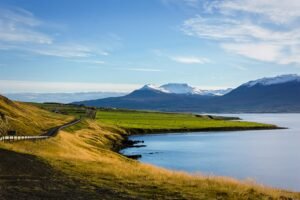
Iceland is one of the strongest choices for solo travel. It is especially good for people who want nature, quiet surroundings, and outdoor adventures.
You can explore waterfalls, glaciers, volcanic landscapes, and small towns. The country also has a strong tourism system.
But Iceland shows why safe does not mean risk-free.
Weather can change quickly. Volcanic activity, earthquakes, road conditions, and outdoor hazards can affect your plans. Petty theft can also happen in busy tourist areas.
If you rent a car, check road and weather conditions before driving. If you hike, follow local warnings.
Best for: Nature lovers, first-time solo travelers, photographers, and outdoor travelers.
Main concern: Weather and natural hazards.
2. Japan

Japan is one of the best choices for travelers who want to explore without renting a car.
Its transportation system makes it easy to move between major cities. Tokyo, Kyoto, and Osaka are popular choices for independent travelers.
Solo dining is also common, which can make traveling alone feel more comfortable.
Japan is a strong choice for solo female travelers too. Still, earthquakes and typhoons require preparation.
Best for: First-time solo travelers, city travelers, food lovers, and women traveling alone.
Main concern: Natural disasters and navigating a large country.
3. Portugal

Portugal is one of the best all-round choices for solo travel.
Lisbon, Porto, and the Algarve have strong tourism infrastructure. There are many hotels, hostels, restaurants, tours, and transport options.
Portugal can also be a better-value choice than some other Western European destinations.
Petty theft is still something to watch for, especially in crowded tourist areas and public transportation.
Best for: First-time travelers, budget-conscious travelers, and solo female travelers.
Main concern: Pickpocketing and tourist-area theft.
4. Switzerland
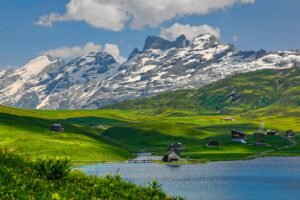
Switzerland combines reliable transport, strong infrastructure, and good access to healthcare.
It is an excellent choice if you want mountains, lakes, and scenic towns without giving up easy transportation.
You can use trains to move between many major destinations. This makes Switzerland attractive to solo travelers who do not want to drive.
The main drawback is cost. Switzerland can be expensive compared with Portugal or Slovenia.
Mountain activities also require preparation. Check weather and trail conditions before hiking.
Best for: Nature lovers, older solo travelers, adventure travelers, and travelers who value reliable infrastructure.
Main concern: High costs and mountain conditions.
5. New Zealand
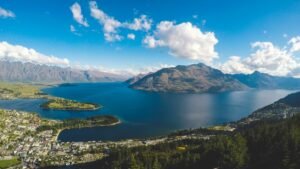
New Zealand is a strong choice for solo travelers who love outdoor adventures.
It offers beautiful landscapes, hiking, beaches, road trips, and a strong tourism network. It can also be a good destination for travelers who want to meet other independent travelers.
However, outdoor safety matters. Weather can change quickly. Roads can be narrow and winding. Remote hiking areas may have limited services.
If you are driving, allow extra time and avoid rushing.
Best for: Backpackers, hikers, nature lovers, and experienced solo travelers.
Main concern: Driving, weather, and outdoor activities.
The top safest countries to visit
The five countries above are not the only options. Several other destinations can work very well for solo travelers.
Ireland

Ireland is a strong choice for first-time solo travelers.
English is widely spoken. The country has a well-developed tourism system. You can combine cities, villages, coastlines, and countryside.
It can also feel less intimidating for travelers who are nervous about language barriers.
Best for: First-time travelers, English-speaking travelers, and people who want a social trip.
Norway
Norway is ideal for travelers who want nature and quiet cities.
Oslo and Bergen can work as easy starting points. The fjords offer impressive scenery, while good infrastructure makes independent travel easier.
Best for: Nature lovers, hikers, and travelers who enjoy quiet destinations.
Finland
Finland is a good choice if you prefer calm surroundings.
Helsinki is easy to explore, while forests, lakes, and northern regions offer a different experience.
Winter travelers need to prepare for cold weather, snow, and limited daylight.
Best for: Quiet travelers, nature lovers, and people who dislike crowded destinations.
Slovenia
Slovenia is worth considering if you want a smaller European destination.
Ljubljana is compact and easy to explore. Lake Bled and the Julian Alps provide access to nature without requiring a huge amount of travel.
It can also offer better value than some of Europe’s most expensive countries.
Best for: Budget travelers, first-time European travelers, and outdoor lovers.
Singapore
Singapore is a strong option for travelers who want an organized city trip.
The city is compact. Public transportation is excellent. Tourist infrastructure is strong.
It can be particularly useful for a first solo trip in Asia.
However, local laws can be stricter than travelers expect. Learn the rules before you arrive.
Best for: First-time Asian travelers, city travelers, and people who value convenience.
Additional Safe Solo Travel Destinations for 2026

Other countries worth researching include Denmark, Sweden, Spain, Austria, the Netherlands, Croatia, Australia, Canada, Thailand, Vietnam, Romania, Czechia, Montenegro, and Georgia.
The best destination depends on your travel experience.
A traveler who wants nightlife may prefer Spain or Thailand. Someone who wants quiet nature may prefer Norway or Finland.
Older solo travel guides also include countries such as Azerbaijan, China, Jordan, Uzbekistan, and Peru. However, safety information changes over time. Always check current government advice before using an older recommendation.
Safest Countries for Solo Female Travelers
The safest countries for solo female travelers should be judged by more than crime rates.
Women may also care about:
- Walking alone at night
- Public transportation
- Harassment
- Nightlife
- Accommodation location
- Local cultural norms
- Access to healthcare
- Emergency services
- Reliable taxis or ride services
Iceland, Japan, Portugal, New Zealand, Finland, Switzerland, Ireland, and Singapore are strong countries to research.
But no country is completely risk-free.
Choose accommodation in a practical area. Avoid isolated locations when you feel uncomfortable. Keep someone at home updated about your plans.
If someone makes you uncomfortable, you do not need to stay polite. Leave the situation.
How to Protect Yourself While Traveling Solo

Monitor Real-Time Data
Do not rely only on an old blog post.
Check current travel information before leaving and during your trip.
Weather, protests, natural disasters, transportation problems, and local security conditions can change.
U.S. travelers should check the current State Department Travel Advisory before departure. The system uses four levels, from Level 1: Exercise normal precautions to Level 4: Do not travel.
Look at the specific risk indicators too. A country can have a low overall advisory but still have a particular risk such as crime, terrorism, or natural disasters.
Helpful Apps To Consider If Traveling Internationally
Technology can make solo travel much easier.
Useful tools include:
- Maps for navigation
- Translation apps
- Messaging apps
- Currency converters
- Ride-hailing apps
- Airline apps
- Hotel or booking apps
- eSIM or mobile data services
Download important maps and documents before leaving Wi-Fi.
Also save your hotel address offline. This is useful if your phone loses internet access.
Prioritize Health Security
Getting sick alone can be stressful.
Before leaving, check healthcare options in your destination.
Travel insurance can help with medical treatment, cancellations, lost luggage, and other unexpected problems. Medical evacuation coverage is especially important for remote areas and adventure trips.
Carry important medication and keep copies of prescriptions when needed.
Also save local emergency numbers.
Choose Vetted Transit and Accommodations
Your accommodation can affect how safe and comfortable you feel.
Look for recent reviews. Choose a location with reasonable access to public transportation.
If you arrive late, plan your airport transfer before landing.
Use reputable taxis, trains, buses, and ride services.
Do not accept random rides from strangers simply because they offer to help.
Monitor Weather and Outdoor Conditions
This matters even in very safe countries.
A country can have low crime but serious natural hazards.
Check:
- Weather warnings
- Road conditions
- Hiking conditions
- Storms
- Earthquakes
- Volcanic activity
- Flooding
- Local closures
This is especially important in Iceland, New Zealand, Switzerland, Norway, and other outdoor destinations.
A note on travelling responsibly, especially alone
Solo travel gives you freedom, but it also means you make more decisions yourself.
Respect local laws and customs. Do not take unnecessary risks just to create an exciting travel story.
Share your itinerary with someone you trust. Keep your phone charged. Carry a backup payment method. Keep copies of your passport and important documents.
U.S. travelers can also use the Smart Traveler Enrollment Program, known as STEP. It can provide embassy and consulate alerts and help officials contact you or your emergency contact during an emergency.
A final note on “best countries”: the best one is the one that matches your mood
After comparing solo travel destinations and the factors that actually affect independent travelers, one conclusion stands out: there is no universal “best” or “safest” country for everyone.
A destination can look perfect on a safety ranking and still be a poor match for your trip.
For a nervous first-time traveler, easy transportation and good tourist infrastructure may matter more than having the lowest crime rate.
For a solo woman, nighttime transport, accommodation location, harassment risk, and access to help may matter more.
For a backpacker, cost and the ability to meet other travelers may be just as important as safety.
For an outdoor traveler, weather, roads, hiking conditions, and emergency access can matter more than city crime statistics.
That is why I would choose a destination based on your own risk tolerance and travel style, not simply the country sitting at number one on a list.
| If you want… | Consider… |
| Easy first solo trip | Japan or Portugal |
| Dramatic nature | Iceland or New Zealand |
| Quiet surroundings | Finland or Norway |
| English-speaking destination | Ireland |
| Better budget value | Portugal or Slovenia |
| Easy Asian city trip | Singapore |
| Mountains and reliable transport | Switzerland |
| Social backpacking | Thailand or New Zealand |
The most important lesson is simple: a safe trip starts before you board the plane. Check current travel guidance, understand the risks, choose accommodation carefully, prepare for emergencies, and know how you will get around.
You do not need to eliminate every risk. You need to understand the risks well enough to make smart decisions.
When you choose a destination that matches your experience level, budget, and comfort, traveling alone can feel far less intimidating and much more rewarding.
Solo travel in the safest countries to visit
Even in the safest countries to travel alone, basic precautions still matter.
Keep valuables secure. Save emergency numbers. Keep your phone charged. Share your plans with someone at home.
Be careful in crowded areas. Avoid isolated places when you feel uncomfortable. Check weather before outdoor activities.
Most importantly, do not treat a safety ranking as a guarantee.
A country can have low crime but still have dangerous roads, extreme weather, earthquakes, scams, or hiking risks.
The goal is not to travel in fear.
The goal is to travel with a plan.
When you choose a destination that matches your experience level, understand the local risks, and prepare before leaving home, solo travel can be both safe and rewarding.